How to keep a local event safe in extreme heat
Everyone hopes for good weather at a village fair, market or neighbourhood festival. But when temperatures suddenly climb to 30 degrees Celsius or more, streets can turn into hot corridors and a town square can quickly feel like a griddle. Smaller events often rely on volunteers, temporary power supplies and a modest budget, with little room for unexpected extra costs. Extreme heat therefore calls for thorough preparation and smart choices.
Adjustments during build-up and on site
Moving crowd barriers, stage sections and bar equipment in the hottest part of the day is asking for trouble. Schedule the heaviest build-up work for the early morning. When putting up party tents and canopies, make sure there is enough ventilation; closed tents can turn into greenhouses within half an hour.
Also think about your equipment. Never place generators, cold stores or distribution boxes directly on hot asphalt in full sun. Keep equipment off the ground, in the shade, and make sure ventilation grilles stay clear. An overheated fuse or a failing cold store can bring the event to a standstill. Discuss with your supplier which additional measures are possible, or even required, to protect the equipment.
Arrange water and shade on site
Small outdoor locations do not always have enough fixed water points. Contact the municipality or local water company in advance to arrange a temporary standpipe with a drinking water connection. Set up a clearly visible point on site where visitors can refill their bottles for free.
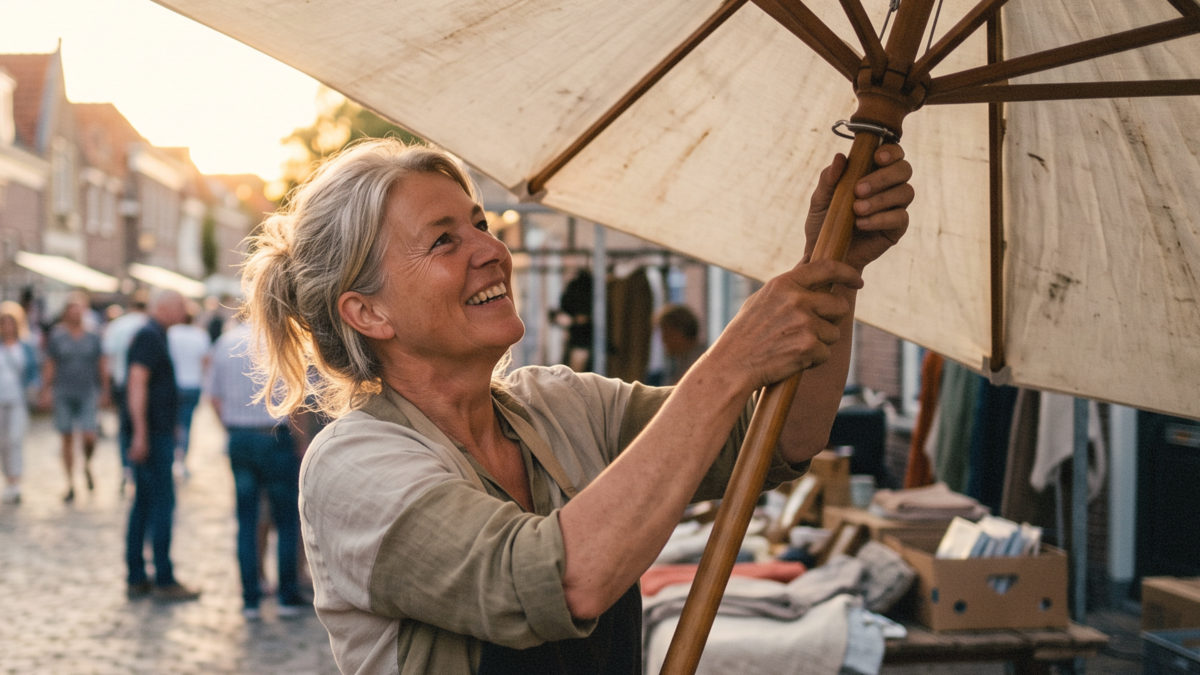
Create enough shade in places where people stand still for longer periods, such as ticket desks, the first-aid post and in front of the stage. Simple shade cloths or parasols can make a big difference for visitors waiting in line.
Look after volunteers and crew
Local events depend on the commitment of volunteers. Behind a hot fryer or at a busy bar, temperatures can rise quickly. Plan shorter shifts and rotate the crew behind the bar regularly.
Make sure every post has plenty of chilled water and isotonic drinks available. In addition to water, offer salty snacks to help compensate for salt loss through sweating. Appoint one coordinator to actively check that volunteers are drinking enough and taking breaks in a cool space on time.
Clear communication for visitors
Inform the public in advance through the local newspaper, flyers and social media. Advise visitors to bring sunscreen, a cap and a refillable water bottle. Place large pump bottles of sunscreen at the entrance. This helps prevent first-aid teams from being tied up with visitors who are sunburned or affected by the heat.
Finally, stay in close contact with the local authorities and emergency services to assess whether it is still responsible to let the event go ahead. However unpleasant that decision may be, you want to prevent injuries, and the related liability questions, at all times.
Want to know more? Contact us.